Why choose cable winches rather than chain hoists?
When it comes to choosing between a cable winch and a chain hoist, there are several factors to consider depending on the specific lifting needs.
Here are some reasons why one might choose a cable winch over a chain hoist:
1. Unlimited lifting height and pulling length : Using a cable or wire rope means that the act of lifting can reach almost unlimited working heights/traction lengths. For example, a cable winch makes it possible to reach high heights, as required for construction, renovation, insulation or maintenance works on buildings, or to move loads over a long distance.
2. Once you have selected the cable winch that matches your needs in terms of capacity and type of lifting, you will know that it can be used for any lifting height.
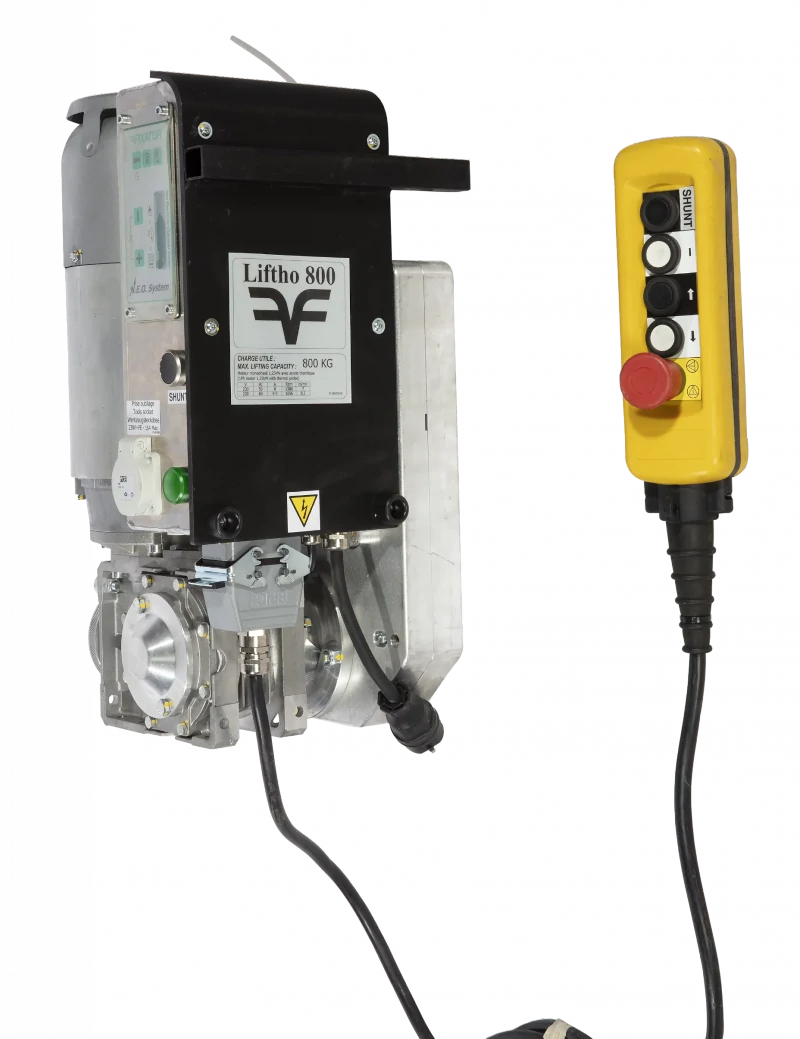
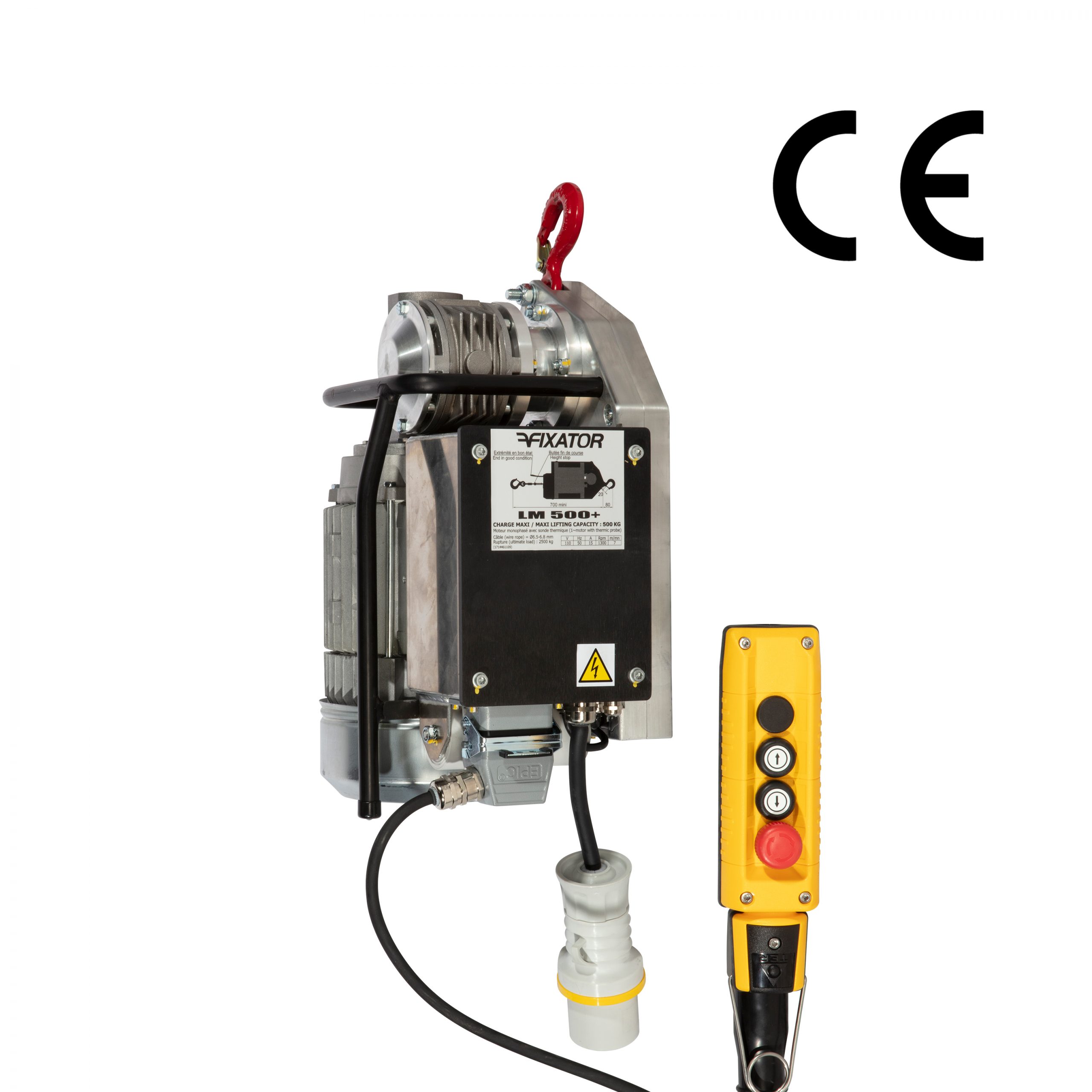
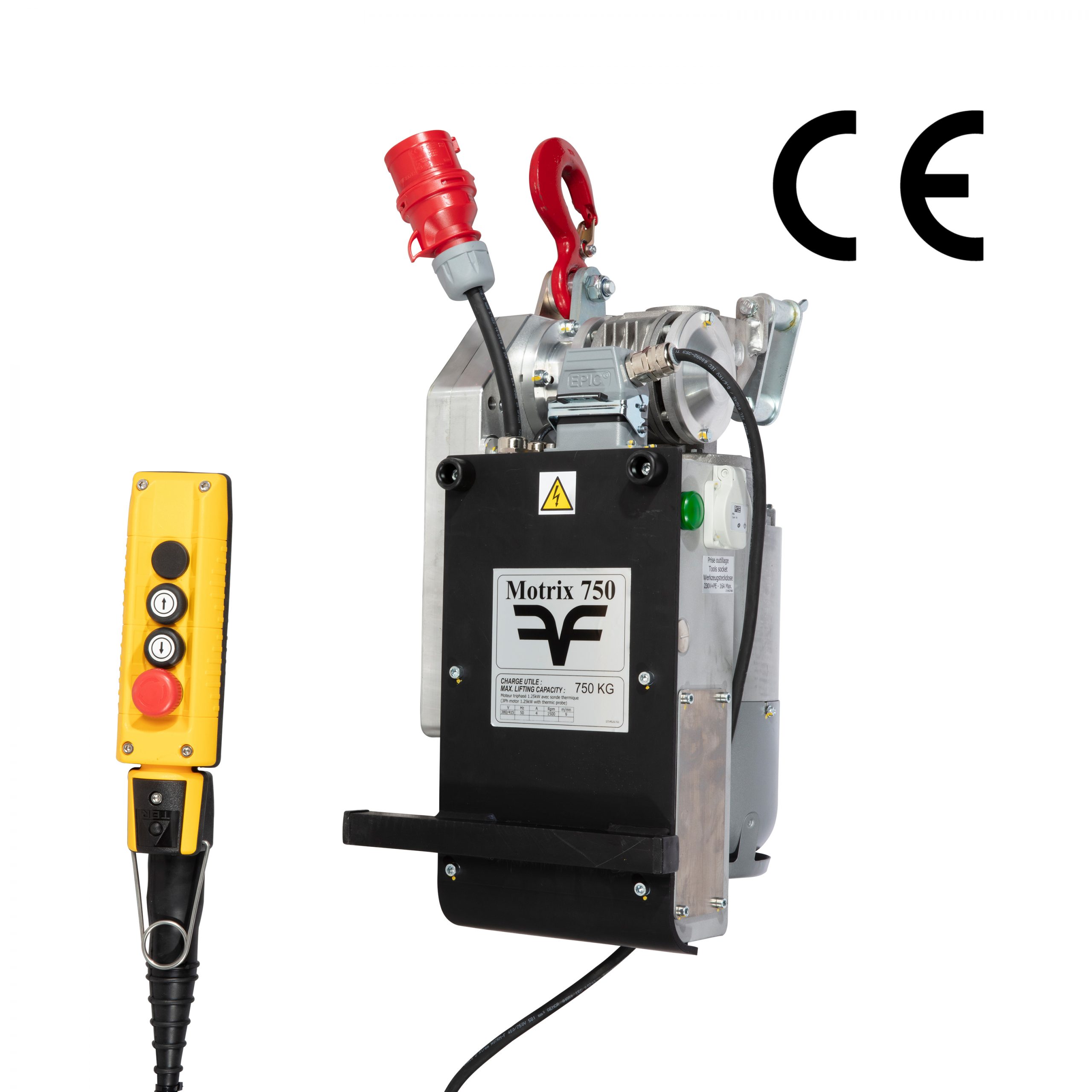
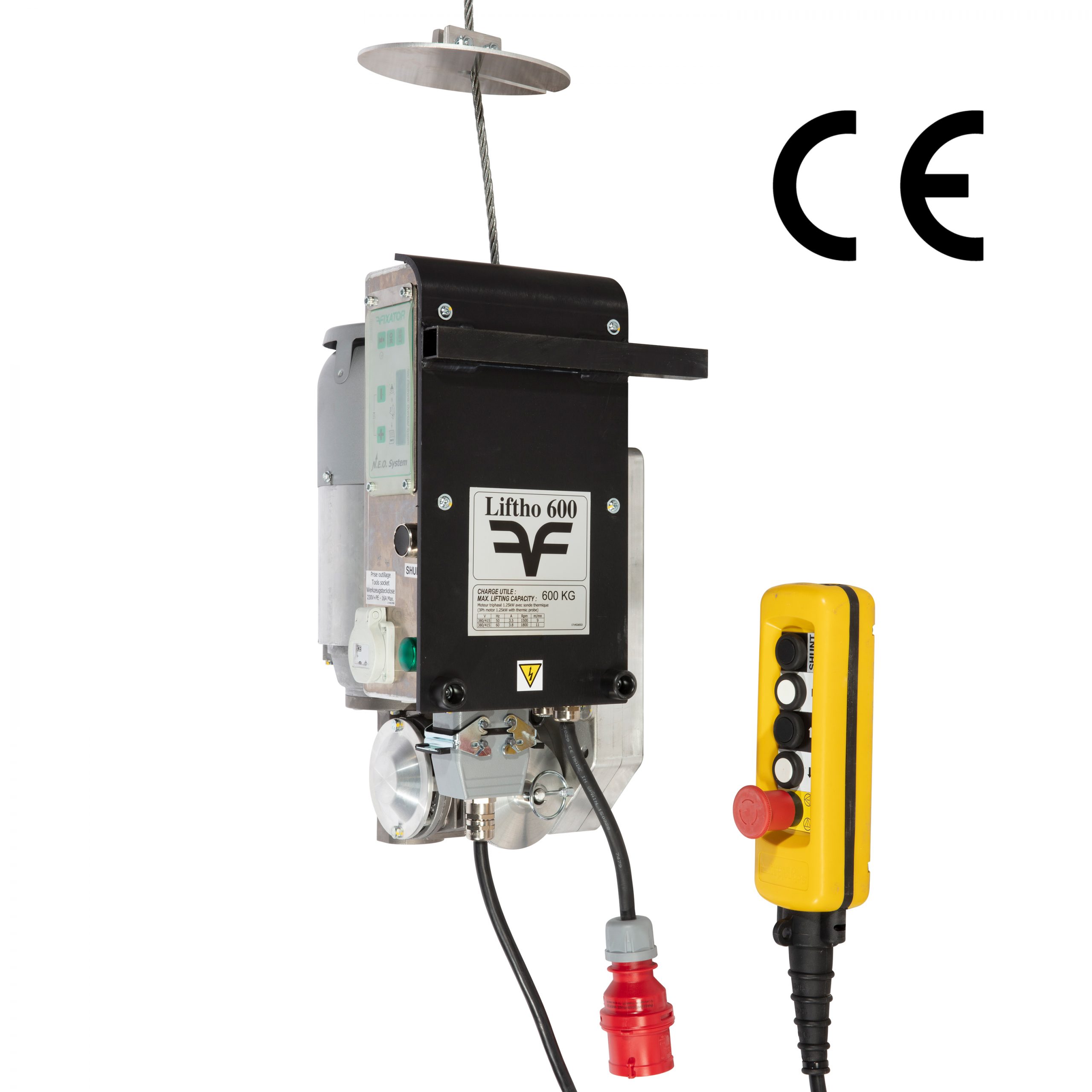
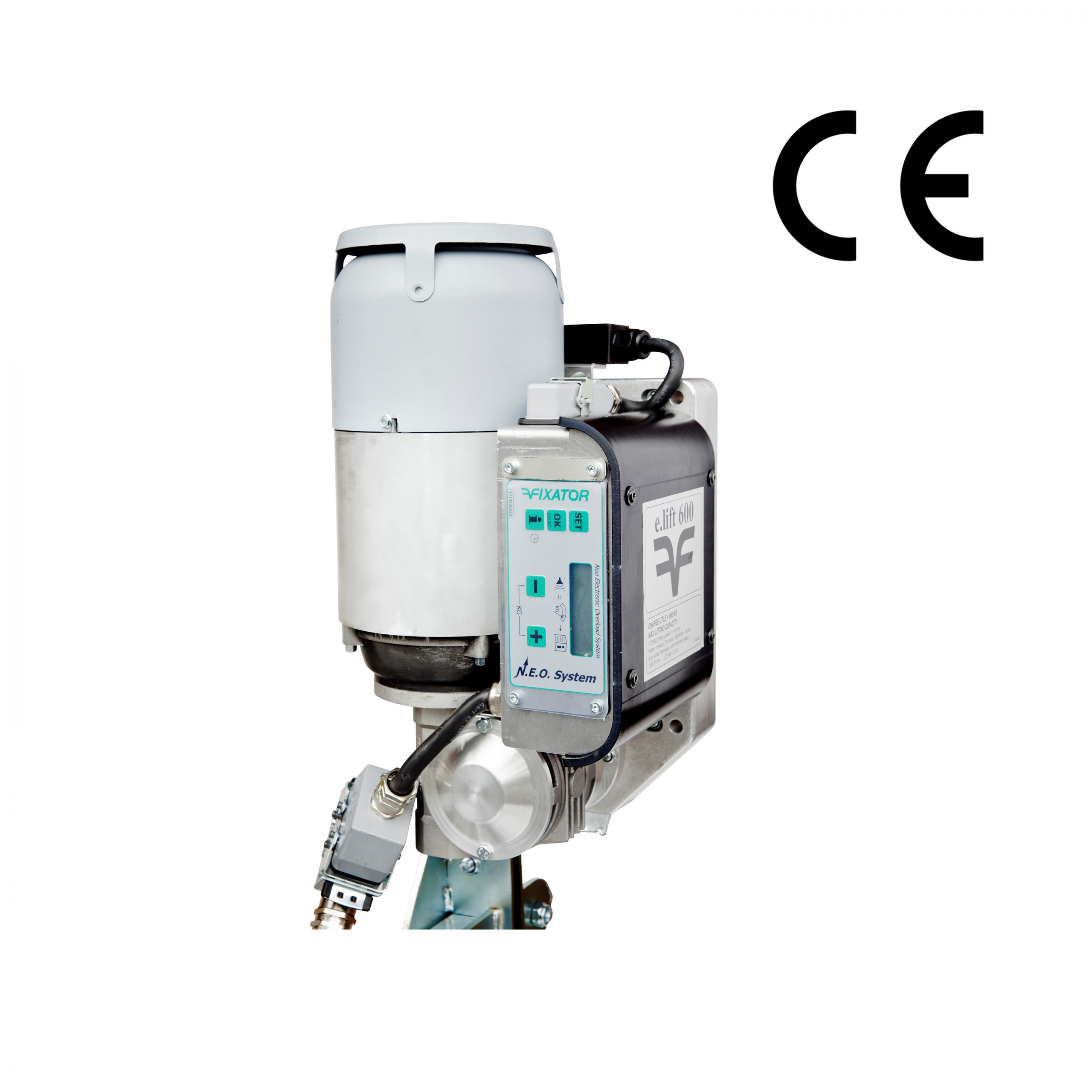
3. Versatile Cable winches, sometimes also called hoists, allow, unlike chain hoists, different anchoring possibilities: not only fixing at height, but also on a bearing, anchored to the ground or directly with the load to be lifted in the case lifting equipment. For example, for work that involves lifting personnel, cable winches can also be installed at the head of the cabin, such as the Liftho in elevator shafts or on floors, but also used to lift scaffolding or suspended platforms. cable (e.lift winches installed on the stirrups of platforms, cradles or bosun chairs, or on c-stirrups), but also in false cabins such as the Fixator False Car.
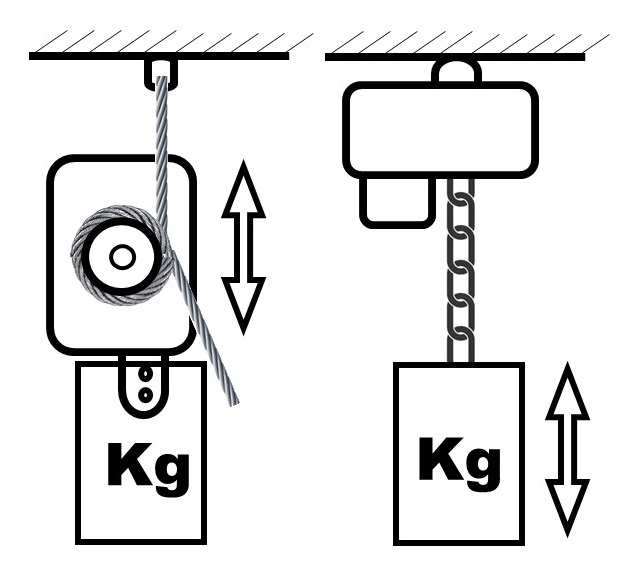
4. The cable winch is, unlike the chain hoist, a fixed or mobile lifting means, while the chain hoist is a fixed lifting device, that is to say it is hung from a suspension point at height, with or without a pulley (allowing the multiplication or duplication of the loads lifted). It can therefore be suspended from a fixed point or attached to a carriage allowing it to move horizontally. Since it does not move with the loads it lifts, the number of possible configurations is greatly reduced.
5. Lifting requirements less than 2 tonnes : Electric cable winches or hoists are generally suitable for low or medium loads (from 500 kg to 2T, see 3T with reeving pulley);
6. Flexibility : Wire rope winches offer greater flexibility in terms of load movement. The cable can be coiled and unwound in a controlled manner, allowing precise positioning of the load. This can be particularly useful in situations where the load must be moved in different directions or angles, through the use of an idler pulley, such as the Fixator UPS2T pulley for lifting materials or people up to 2 tonnes.
7. Speed control : Wire rope winches often provide better control of lifting speed. They are equipped with braking and speed adjustment devices, allowing the operator to lift and lower the load more precisely and safely.